Finland and Sweden supply around 16% of the world's wood and paper products. About 325,000…
April 15, 2026
Failed deliveries, rising costs: the testing cycle of last-mile inefficiency
Recent industry research puts the average cost of a failed delivery at €14. In Europe, over 18 billion parcels are delivered by B2B and B2C couriers. At a failure rate of 4-6%, the costs can be huge. Failed deliveries trigger a chain reaction: longer wait times for goods, rising costs. And delayed maintenance and repairs, to name a few.
One of the biggest drivers of failed deliveries is last-mile inefficiency. It remains one of the largest operational weaknesses across the modern logistics sector. Below, we’ll look at how the last-mile delivery process can be improved.
When last-mile inefficiency becomes a cost problem
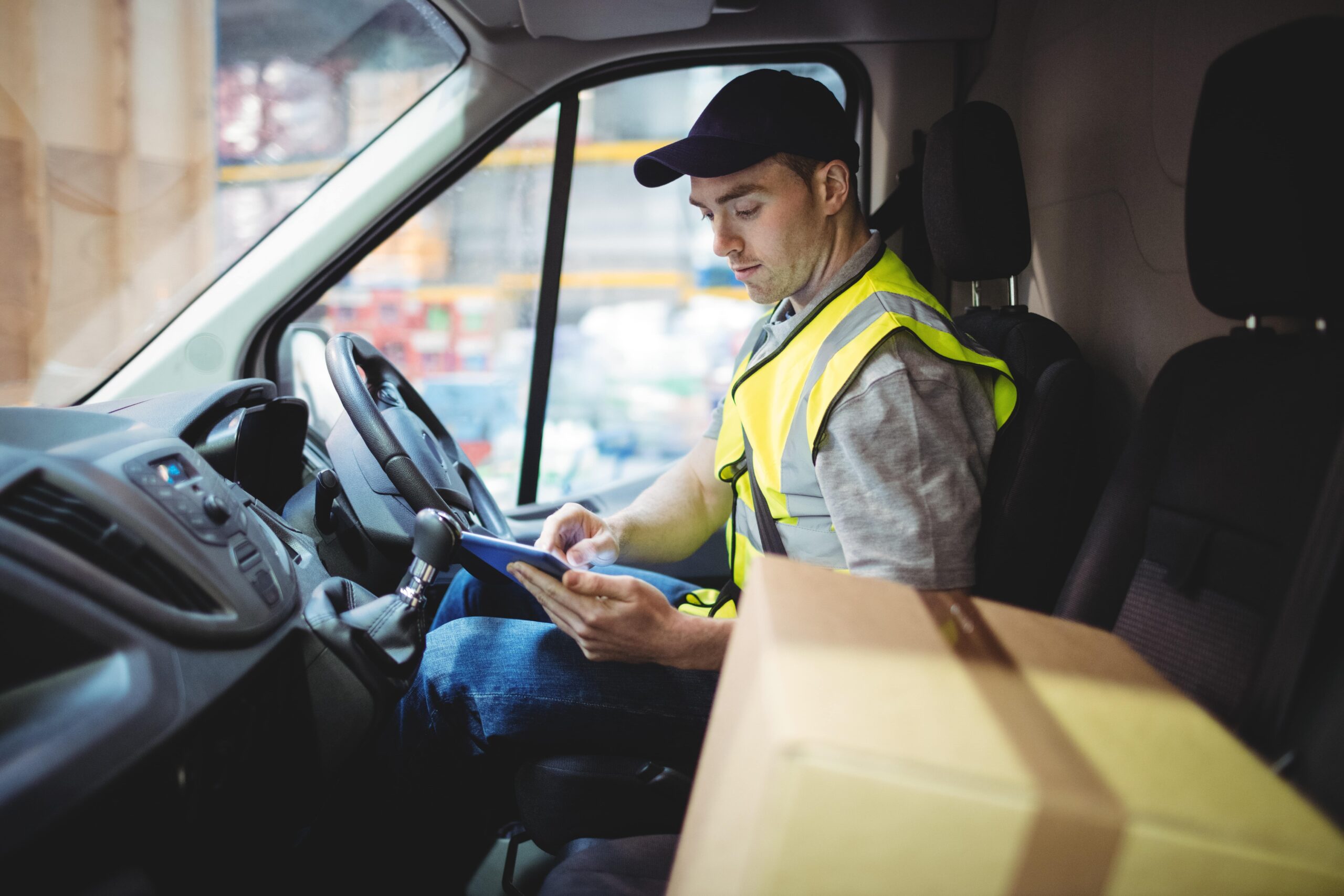
Missed or delayed deliveries can have a real impact on your operations. Every failed delivery can cause equipment downtime, delayed maintenance, or missed service deadlines.
Common ways delivery inefficiencies affect customers include:
- Delivery delays and uncertainty: Narrow delivery windows, heavy city traffic and unpredictable routes can mean your goods arrive late – or not at all.
- Disrupted operations: When deliveries don’t arrive on time, projects stall, repairs are delayed, and critical stock isn’t available when needed.
- Reduced transparency: Without real-time tracking, it’s hard to plan around your deliveries, leaving your teams guessing and creating unnecessary stress.
- Increased indirect costs: Missed deliveries can force rescheduling, additional labour, or emergency shipping
These consequences create a cycle of frustration, inefficiency, and rising operational risk that can hit your bottom line.
How we are rethinking the final mile
Solving the last-mile delivery challenges above is the key to maintaining service quality, reducing disruptions and increasing ROI. Here’s how we do it.
Flexible delivery options
To ensure the best chance of first-time delivery, we offer a range of flexible delivery options, including direct-to-site delivery, in-boot drops, and accessible en-route PUDO (Pick-Up Drop-Off) locations.
So, whether we are delivering spare parts to the back of a van or using one of our hundreds of PUDO locations, we can deliver your goods first time, every time.
Forward stock locations
FSLs allow us to deliver your goods closer to the final destination, without taking up space in your facilities. We can deliver goods to a secure warehouse in advance, and then, when an engineer needs them, we can use the flexible delivery options above to quickly get them where they need to be.
Using FSLs means your stock is always nearly where it needs to be, reducing the time and cost of the final mile delivery process.
Expert local knowledge and route optimisation
Our 24/7 control tower creates routing strategies around the clock to ensure our delivery teams do not run into any unexpected issues. Backed by local knowledge and the latest software, this continuous oversight and proactive response minimises disruptions and allows us to work to tighter delivery deadlines.
Strict delivery deadlines
Our final mile delivery solutions work to very tight delivery windows. Our by:NIGHT deliveries, for example, are guaranteed by pre 7:00 am the next day. While we’ll always offer flexible solutions to our customers, when you need parts or goods at a specific time, using our By:NIGHT, By:DAY or By:NOW means you get them before you need them.
Sustainable practices and the changing delivery ecosystem
Sustainability is a defining pillar of effective last-mile operations. Our commitment to sustainable practices means that we are not just improving the delivery process for our customers, but for the future of the planet too.
With each successful delivery, we save millions of litres of wasted fuel every year. With our investments in flexible delivery options like PUDO lockers, for example, we improved our first-time delivery rates, reduced fuel consumption, and ensured that your goods continue to be delivered on time.
Breaking the cycle: what success looks like
A well-designed last-mile delivery strategy increases delivery efficiency, improves customer satisfaction, and strengthens long-term competitive edge. It requires the right balance of innovation, operational discipline, and investment in scalable systems.
A recent example of this in practice is Miele Finland partnering with DANX to overhaul its spare-parts logistics. Faced with a need for fast, overnight delivery, including urgent hospital and in-boot consignments, Miele wanted to remove local warehouses and simplify its distribution. DANX introduced an end-to-end in-night delivery model, delivering spare parts early in the morning straight to technicians across Finland.
The result: streamlined operations, cost savings, greater repair capacity, improved reliability, and higher customer satisfaction.
A smarter final mile starts with the right partner
As delivery networks grow more complex, the companies that will lead the future of logistics are those that can turn the final mile from a cost burden into a competitive advantage. By combining flexible delivery models, strategic stock positioning, expert route optimisation, and a commitment to sustainability, we help businesses break free from the cycle of failed deliveries and rising costs. The result is a final mile that is faster, greener, and far more reliable – built to meet today’s expectations and tomorrow’s demands.
To start building the logistics solution for your business, get in touch with our team today.
Related Posts