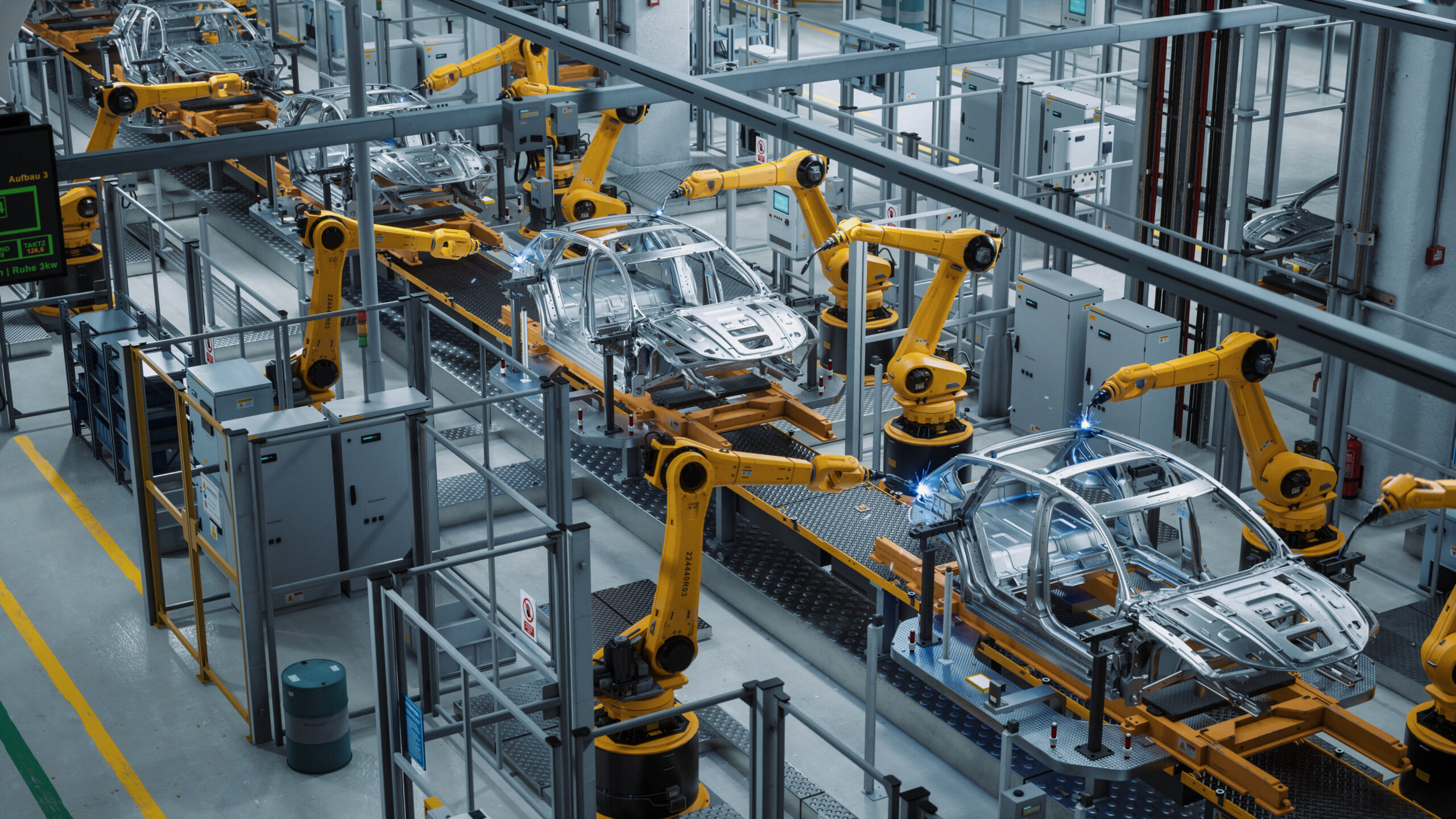
The automotive sector operates on precision, speed, and reliability. When a critical component fails, whether…
March 11, 2026
The domino effect of delivery delays
The supply chain is a series of linked services that must work together to keep deliveries on time. If one link fails, the chain reaction can impact every other part of the supply chain. Here’s how.
How delivery delays affect the wider supply chain
It’s called the supply chain for a reason. Each link of the chain must remain strong. If one fails, it affects every other link in the chain. If materials arrive late, production cannot begin. If production is delayed, warehousing schedules are disrupted. If goods miss their delivery window, they may face congestion in warehouses or be moved to the next available vehicle. And if delivery slots are missed, customers and downstream partners are left waiting.

What starts as a single delay quickly cascades into increased costs, reduced capacity, strained relationships and lost revenue. Understanding where these delays originate, and how they transfer through the wider supply chain, is essential for businesses looking to build resilience, protect service levels and maintain customer trust.
The most common reasons for delivery delays
Material and component shortages delay production before it starts
In 2021, there was a computer chip shortage in the automotive industry. This led to a loss of 11.3 million vehicles in production, resulting in empty car showrooms across the world.
Currently, climate change is causing disturbance-induced losses in Europe’s forestry industry of €115 billion a year, and this is reportedly expected to rise to €247 billion a year in the next few years.
Longer lead times for materials and components mean that production must slow or halt, sending a ripple of delays down the supply chain, costing billions per year in delayed production.
Machinery and equipment breakdowns bring operations to a standstill
The downtime costs of machinery breakdowns in the heavy equipment industry are reportedly €60-70 billion across the EU. While this represents the highest downtime cost of any industry, it’s not the only industry with huge cost implications for equipment failure.
Predictive maintenance, keeping spare parts in stock and updating ageing equipment can help to limit breakdowns, but when they occur, they can disable the entire supply chain.
Congestion creates delays long before final delivery
Average congestion delays in 2024 were almost five days. Some of this is due to ongoing conflicts, meaning longer routes are unavoidable. At some of the larger terminals in Europe, vehicles have recorded terminal dwell times of more than a week, causing delays to customs clearance operations and overland delivery schedules.
As a result of congestion, many businesses are reassessing how dependent they are on single transport logistic models and looking at road and air transport to solve port congestion issues. Our road and air network enables spare parts to reach most of the Nordic region, Poland and the Baltics before 07:00 the next day. And because we’ve been building this network since 1992, it’s resilient enough to deliver to even the most challenging areas like the northernmost regions of Finland and Norway.
Customs clearance delays disrupt cross-border supply chains
The main causes of customs clearance delays are inaccurate or incomplete customs documentation, missing licenses, misdeclared HS codes and last-minute changes to paperwork. Customs IT downtime, congestion, cyber incidents and regulatory shifts can also all contribute to longer waits at customs.
For our customers, our customs brokerage service simplifies the clearance process. Our expert brokerage team adheres to the latest international and regional regulations to ensure end-to-end support and seamless, consistent customs clearance across Europe and non-EU markets such as Norway.
Warehousing and fulfilment centre congestion slows inbound and outbound flows
When warehouses and fulfilment centres operate at high capacity levels, it becomes much harder to move pallets, pick and process inbound and outbound loads – increasing the risk of bottlenecks at loading bays and staging areas.
Relying on older technologies and equipment can also cause delays with equipment breakdown, IT outages and loss of paperwork.
Optimised warehousing addresses these challenges through smarter inventory management systems to increase productivity and decrease damage. And forward stock locations can be used to bring spare parts and components close to field engineers and facilities to decrease equipment downtime.
Extreme weather events can pause entire supply chains
Extreme weather events can pause supply chains for extended periods, causing delays to every aspect of infrastructure. Materials, spare parts for regular machinery maintenance and final mile deliveries to end consumers all can be delayed. The result? A damaged brand reputation and customer experience, and the potential for huge cost implications.
Forward stock locations can’t prevent bad weather, but they can move spare parts and equipment closer to the final destination, minimising delivery times when it’s safe for operations to resume.
Unexpected global events add risk and uncertainty to delivery timelines
As mentioned earlier, current conflicts mean that ships are using alternative routes for safety, which adds more time to each shipment. Geopolitical events of any kind can affect the logistics industry, so optimised planning is essential. This means monitoring global developments, not just in the regions we work in but across the world, in order to ensure deliveries are on time without risking the safety of our team.
Reducing the impact of delivery delays with DANX
Delivery delays are rarely caused by a single issue. More often, they’re the result of multiple pressures across the supply chain. While not every disruption can be prevented, the impact they have can be significantly reduced with the right planning, partners and infrastructure in place.
At DANX, we design logistics solutions that prioritise speed, visibility and resilience. From forward stock locations and smart warehousing to customs brokerage and robust road and air networks, we help businesses protect critical deliveries when the supply chain is under pressure. Our long-established European network allows us to reroute, adapt and respond quickly, keeping goods moving even when conditions change.
By strengthening each link in the supply chain, businesses can reduce the domino effect of delays, safeguard customer trust and maintain operational continuity, no matter how complex the challenge. Contact us to discuss how we can support your supply chain.
Related Posts